
Why Every Agency and SMB Needs Regular Technology Assessments
If running an agency or a growing business feels like juggling while riding a unicycle, you’re in good company. Today’s technology landscape is vast, rapidly evolving, and full of opportunity—but also potential pitfalls. Maybe you’ve wondered if your security stack is fit for purpose or if your processes could run smoother. There’s a reason seasoned leaders insist on regular technology assessments: they bring clarity to the digital chaos, moving you from reactive break‑fix mode to proactive strategic management.
Working with diverse agencies and businesses, we constantly see a pattern: without an intentional review, technology decisions get made in isolation, and cracks begin to show. Untracked apps, security risks, and inefficiencies go unnoticed—until they create urgent problems. A structured technology assessment for agencies transforms uncertainty into actionable insight, giving organizations a foundation for smarter, faster decisions.
What Is a Technology Assessment?
A technology assessment is more than a quick once‑over of your IT environment—it’s a formal, structured review covering your systems, security posture, workflows, integrations, and vendor relationships. The purpose is to map your entire digital ecosystem, identify risks and inefficiencies, and provide a documented path forward.
At CSP Geeks, we approach these as thoroughly documented engagements, not just box‑ticking exercises. Our assessments for agencies and SMBs include:
- An inventory of apps, services, and vendors
- A security and risk review
- Evaluations of workflow and process efficiency
- A formal report with severity ratings, prioritized risks, and actionable recommendations
- A collaborative walkthrough of findings with your leadership or digital teams
This process supports compliance, audit readiness, investment planning, and important events like mergers or transitions. Most critically, it lets you turn subjective guesses into objective, evidence-based decisions.
Key Components of an Effective Assessment
A solid technology assessment for agencies or businesses should never be a generic checklist. Here are the pillars we focus on:
Security and Risk Review
Security is not optional. Assessments must dig deep into access controls, data privacy, compliance requirements, password hygiene, network safeguards, and backup routines. We also evaluate vendor risks and shadow IT—those unsanctioned tools that have a habit of sprouting up like weeds.
Example: We once discovered an unmonitored file-sharing tool containing sensitive client data at an agency—a vulnerability that only surfaced during a routine assessment.
Infrastructure and Stack Inventory
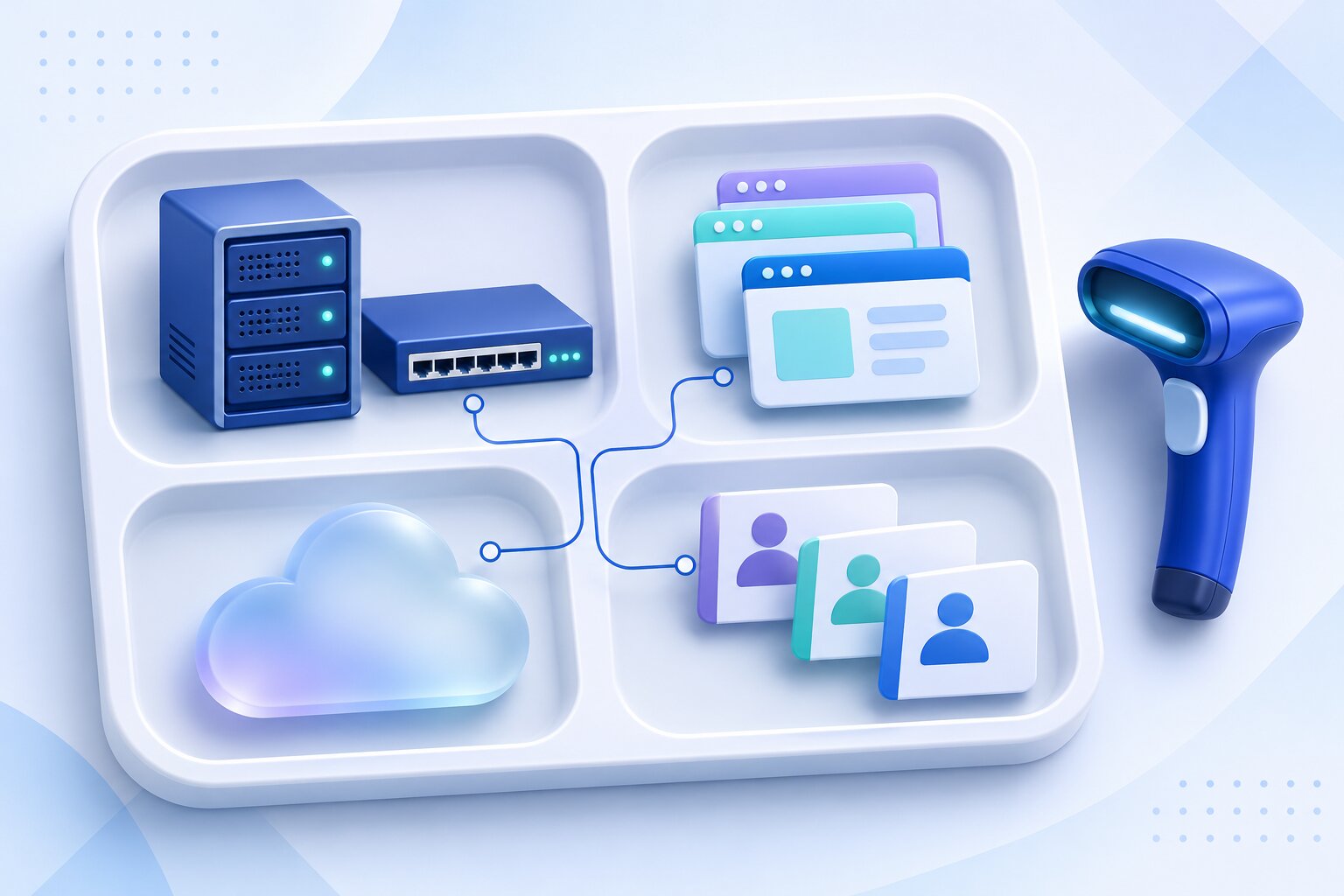
A detailed inventory of hardware, software, cloud platforms, integrations, and vendor relationships is foundational. This isn’t just about what you have—it’s about how these components interact (or fail to), as integration bottlenecks often hide the largest productivity drains.
Workflow and Process Audit

Are you duplicating manual work in multiple systems? Are there handoffs that stall or risk human error? Mapping workflows reveals inefficiencies and uncovers automation opportunities. These findings directly inform recommendations for process improvement and smart investment.
Cost and Resource Evaluation
Technology costs can pile up in the background. Assessments should spotlight redundancies—unused SaaS seats, duplicative tools, legacy hardware—and surface smarter choices like resource‑based pricing or shifting to private cloud models for agency-scale needs.
Integration and Scalability Review
Agencies in particular rely on smooth handshakes between systems—from CRM to project management and marketing to reporting. We gauge how well your stack holds together and how readily it can scale, pivot, or integrate new solutions.
How CSP Geeks Approaches Tech Assessments
We’re digital mages at heart—curious, methodical, and adventurous enough to dig where others skim. Here’s what sets our process apart for agencies and SMBs:
- Structured Documentation: Every assessment results in a formal written report, not just a conversation and a checklist. This is actionable evidence, not opinion.
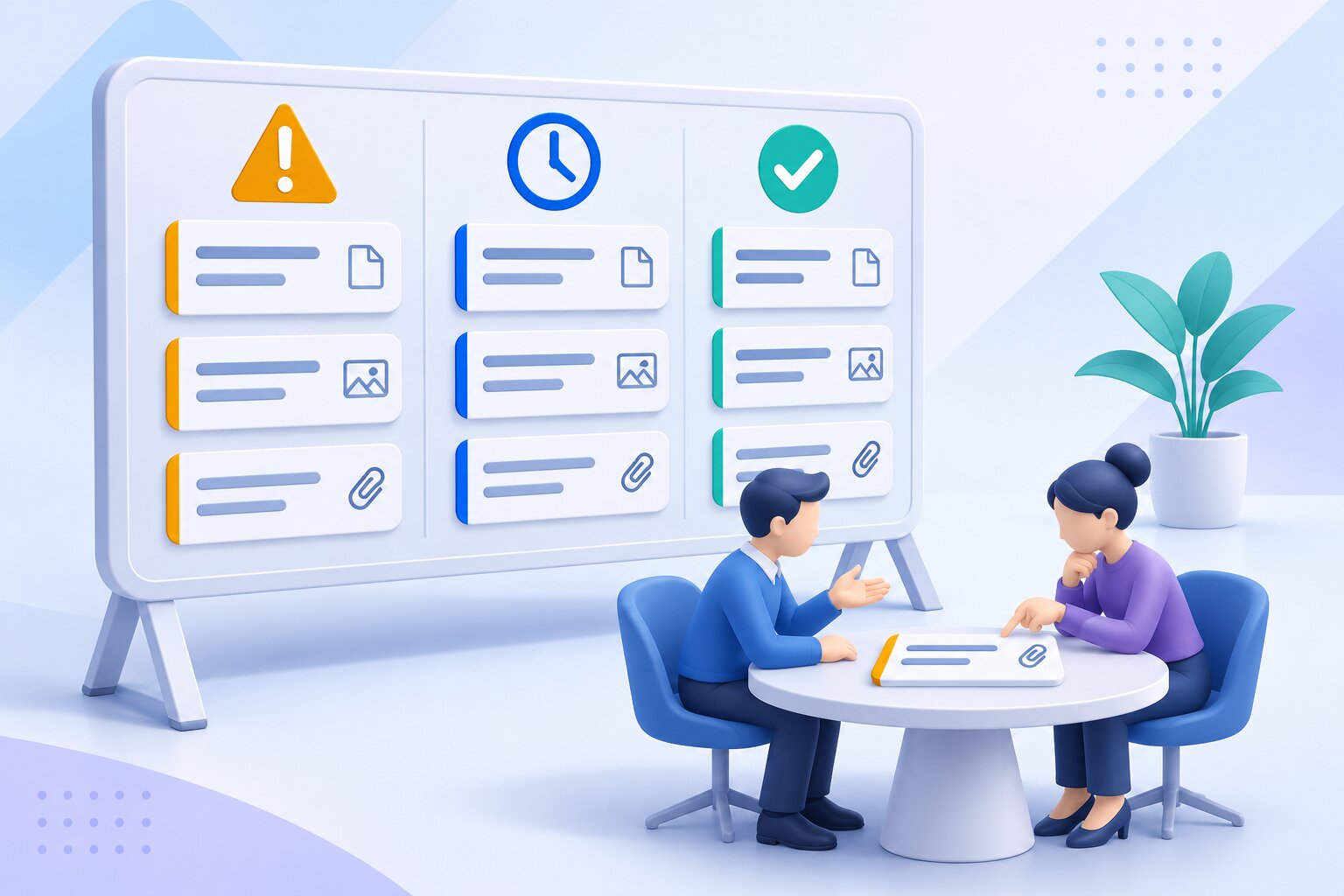
- Severity Ratings: We don’t bury the lead; issues are rated by urgency so leaders know what demands immediate action versus long-term planning.
- Prioritized Recommendations: You’ll receive a detailed action plan—no generic advice, just tailored next steps based on your context.
- Applicable to Complex Organizations: Our process handles the nuances of multi-brand agencies, travel operations, and distributed teams, recognizing that one-size-fits-all rarely fits anyone.
- Collaborative Walkthroughs: Findings aren’t lobbed over the fence. We explain, answer questions, and help teams understand the reasoning behind every rating and recommendation.
To see specifics, visit our Technology Assessments page.
Step-by-Step: Preparing, Conducting, and Leveraging Findings
An effective technology assessment is more hike than hop. Here’s how we guide agencies and small businesses through the journey, step by step:
1. Preparation and Scoping
- Engage Key Stakeholders: Get decision-makers and department leads on board; they bring critical visibility and priorities.
- Define Scope: Clarify what systems, teams, and processes will be included. For growing agencies, this could range from basic IT to digital marketing operations.
- Document Goals: Are you preparing for compliance, planning a merger, or simply aiming for better efficiency? The purpose defines the assessment lens.
2. Systems and Workflow Inventory
- Catalog Apps and Tools: Map out all tech in use, including shadow IT and rogue SaaS subscriptions.
- Inventory Vendors and Hardware: Don’t forget physical infrastructure, especially telephony, networking gear, and cloud platforms.
- Gather Documentation: This preps the ground for a robust review and reduces the chance of overlooking hidden risks.
3. Security and Risk Review
- Assess Security Policies: Review access management, data privacy, and backup strategies.
- Run Checks: Scan for vulnerabilities, misconfigurations, and third-party risks.
- Rate Severity: Prioritize findings so urgent threats rise to the top.
4. Workflow and Integration Analysis
- Map Key Processes: Capture how information flows between systems and teams.
- Spot Bottlenecks: Identify manual work or single points of failure.
- Pinpoint Automation Potential: Surface areas ripe for intelligent workflow or AI automation—often fast, high-ROI wins.
5. Cost and Utilization Review
- Evaluate Spending: Track recurring software and cloud costs, licenses, and subscriptions.
- Identify Overlaps: Flag redundant or underused tools. This ties directly to your bottom line.
6. Formal Reporting and Walkthrough
- Create a Written Report: Structure findings by category and urgency. Include documentation and evidence for transparency.
- Host a Stakeholder Walkthrough: Review the findings with leaders and technical staff, field questions, and clarify recommended priorities.
7. Action and Follow-Up
- Prioritize and Assign Tasks: Delegate responsibility for remediation.
- Schedule Reviews: Technology is a moving target—plan for regular reassessment as your agency evolves.
Throughout, we use tools like Mage Intake for secure forms and data intake, Mage Shares for documentation and workflow, and GVenta to coordinate assessment projects.
Common Mistakes and How to Avoid Them
Even well-intentioned assessments go awry—usually for familiar reasons. Here’s how to avoid the potholes:
- Mistaking Opinion for Evidence: Skip informal walkthroughs or checklists without documentation. Insist on written findings—with clear source references and supporting details.
- Ignoring Shadow IT: Many vulnerabilities and cost sinks come from unsanctioned or forgotten tools. Cast a wide net during the inventory phase.
- Skipping the Stakeholder Walkthrough: Handing leaders a report is not enough. Active discussion builds buy-in and uncovers context that shapes next steps.
- Neglecting Integration Reviews: It’s easy to evaluate individual systems without testing how they actually connect in daily operations. Integration is often where time and money leak away.
- Leaving Recommendations Unprioritized: All risks are not equal. Assign severity ratings and clarify which items are business-critical.
How Technology Assessments Drive Growth and Productivity
A comprehensive technology assessment is not just a defensive maneuver—it’s an accelerator for growth. Agencies and SMBs gain:
- Clear Visibility: Know exactly what systems and risks exist so you can make data-driven choices rather than guesswork.
- Evidence for Leadership Decisions: Formal documentation supports board meetings, funding proposals, or merger discussions.
- Proactive Problem Solving: Find and fix issues before crises erupt, shifting from reactive firefighting to long-term planning.
- Efficiency Through Automation: Shine a spotlight on duplicative work and untapped workflow automations for both speed and accuracy.
- Secure Operations: Surface security holes and compliance gaps that can be costly if overlooked.
For example, a recent assessment for a travel agency revealed several outdated vendor integrations and unsecured endpoints. Addressing these not only improved compliance but also eliminated manual reconciliations—freeing up staff for more strategic work.
Getting Started: Free Consultation with the Digital Mage Squad
Curious where you stand? The first step is simple. We offer a no-obligation consultation to get your questions answered and help scope your needs. Whether you’re navigating a merger, prepping for funding, or simply want a better digital stronghold, our mage squad is here to guide you—without jargon or hard sells.
Explore our Technology Assessments service, or connect directly to request a free assessment scoping call. We’ll talk through your challenges, map potential priorities, and outline exactly how our process could support your unique goals.
Conclusion: Building Your Digital Stronghold with Confidence
A technology assessment for agencies and SMBs is more than a risk mitigation exercise—it’s your map for building a resilient, integrated, and scalable digital stronghold. With structured evidence, prioritization, and next steps, your leadership can make bold, confident tech decisions—and unlock efficiencies that fuel real growth.
If you’re ready for more clarity and less chaos, our embedded team of digital mages is ready to help. Start your journey with us today—explore our Insights for more strategic frameworks, or book a consultation at CSP Geeks and let’s build your future-proof technology ecosystem, together.